Discovering Betancuria: A Hidden Gem of Fuerteventura
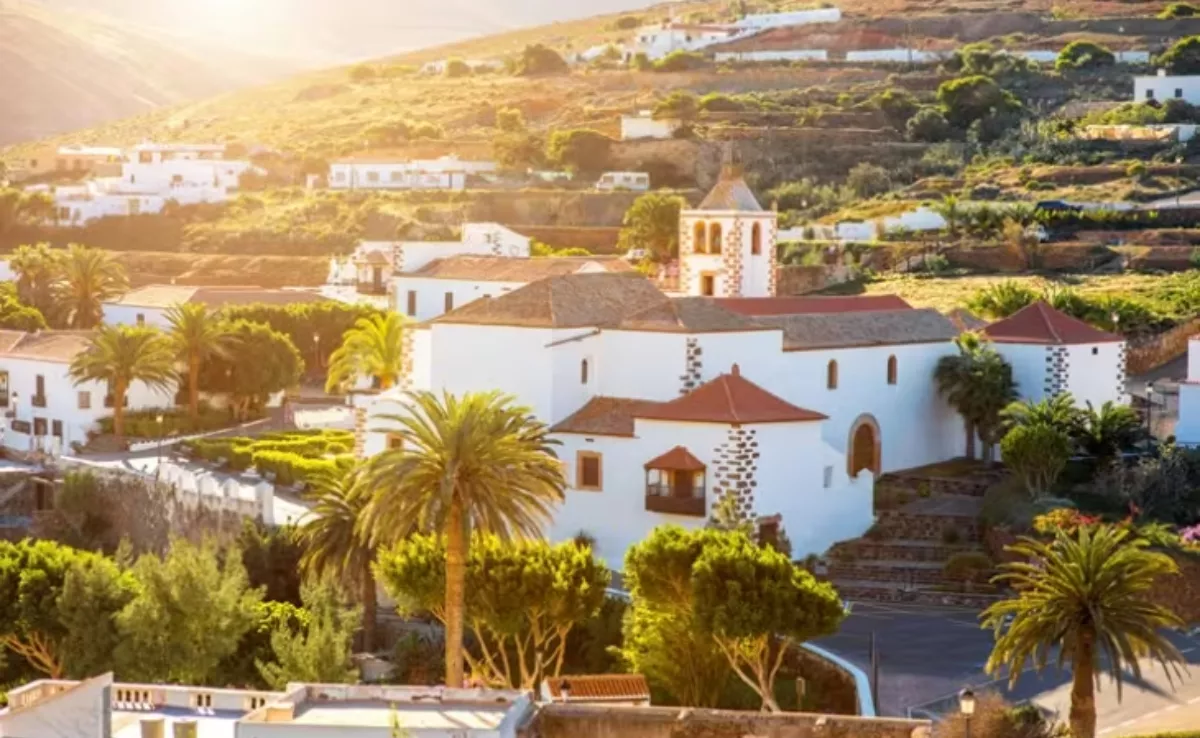
In the heart of Fuerteventura lies Betancuria, a small municipality steeped in history and surrounded by breathtaking natural beauty. With its cobblestone streets and rich cultural heritage, Betancuria beckons travelers seeking to connect with the authentic roots of the Canary Islands. But what sets this quaint town apart from others in the archipelago?
A Town with a Rich History
Founded in 1405 by the Norman conqueror Jean de Bethencourt, Betancuria is distinguished as the least populated municipality in the Canaries, housing just 812 inhabitants according to the National Statistics Institute (INE). This charming town served as the island’s capital until 1984, but today it proudly holds a place among the Most Beautiful Towns in Spain. Its historical significance and traditional architecture invite visitors to step back in time.
Nature’s Masterpiece: The Betancuria Rural Park
Surrounding Betancuria is the Betancuria Rural Park, a protected natural area encompassing an impressive 16,000 hectares. This rugged terrain serves as a vital ecological zone, showcasing the unique geological features of the island. The park’s landscape is a testament to Fuerteventura’s volcanic origins, displaying eroded mountains and ancient rock formations that date back millions of years.
In this arid environment, resilient flora such as tabaibas, cardones, and spiny shrubs thrive, indicating the harmonious adaptation of life in such a challenging climate. Nature enthusiasts will be enchanted by the skies patrolled by protected bird species, including the iconic guirre, a bird native to the Canaries. Hiking trails weave through the park, linking Betancuria with nearby settlements like Vega de Río Palmas and Valle de Santa Inés, allowing adventurers to explore the stunning scenery up close.
A Journey Through Time: Historical Heritage
Exploring the streets of Betancuria feels like embarking on a journey through time. The town’s historic center boasts houses with whitewashed facades and wooden balconies characteristic of traditional Canarian architecture. Key landmarks, such as the Iglesia de Santa María, built in 1410, showcase a blend of Gothic, Mudéjar, and Baroque styles, especially following its reconstruction after a pirate attack in 1593. Inside, the intricate details of the church exemplify the artistic richness of the island’s past.
Just a short walk away, visitors can discover the ruins of the Convent of San Buenaventura, one of the first religious centers in the Canaries, alongside the picturesque hermitage of San Diego—built over the cave where Saint Diego of Alcalá is said to have prayed.
Culture and Gastronomy of Majorera
The Archaeological Museum of Betancuria offers a window into the island’s pre-Hispanic period, showcasing artifacts that reveal the lives of the ancient majoreros who once inhabited this rugged landscape. Displays include tools, ceramics, and remnants that narrate a survival story stretching over 2,000 years.
A trip to Betancuria wouldn’t be complete without savoring its traditional cuisine. The majorero cheese—famous for its rich flavor and certified designation of origin—is a must-try. Additionally, gofio amasado, a historic dish made with toasted flour mixed with broth or honey, served in a traditional pouch, reflects the island’s culinary heritage and lively food culture.
Betancuria stands not only as a living museum of history and culture but as a vibrant hub of natural beauty that encapsulates the essence of Fuerteventura. It invites visitors to slow down, breathe in the stunning surroundings, and truly appreciate the story behind this enchanting corner of the world.