The Foundation of the First Franciscan Convent in the Canary Islands: A Historical Reflection
Introduction to the Historical Event
The establishment of the first convent in the Canary Islands marks a significant moment in the region’s history, particularly concerning the evangelization efforts from Europe. This endeavor, backed by the Catholic Church, aimed to spread Christian beliefs among the island’s indigenous people. During the latter half of the 14th century, the initial attempts came from missionaries positioned in Telde, yet they faced numerous challenges and setbacks that complicated the mission.
Early Evangelization Efforts
In the 14th century, efforts to convert the native Canarians were met with mixed results. Although the creation of the first episcopate in the islands aimed to facilitate these religious efforts, the baleful impact of European pirate raids disrupted peaceful attempts. These marauding activities, which sought to abduct indigenous people for slavery, undermined the missionaries’ aims, primarily those initiatives championed by the Mallorcan and Catalan missionaries inspired by Bl. Raymond Lull’s ethos.
The Arrival of the Normans
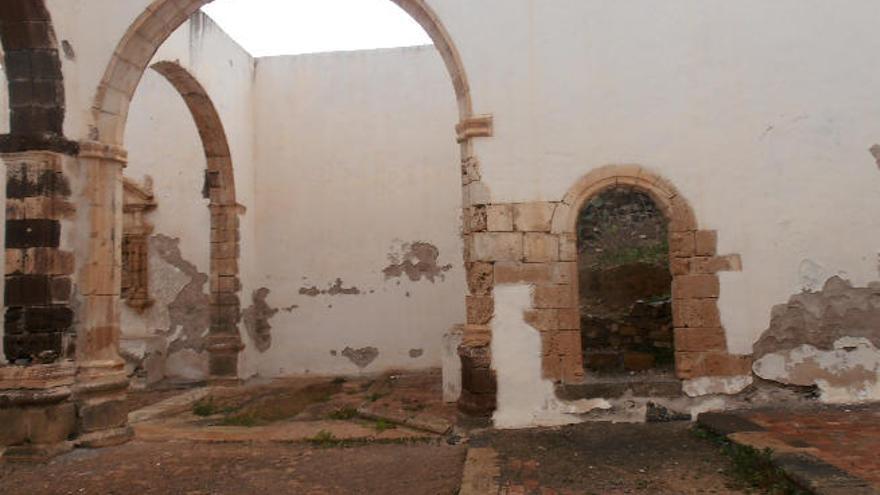
In 1402, a new chapter began when the Normans, led by Juan de Bethencourt, landed in Lanzarote. With them came missionaries Peter Boutier and Juan Leverrier, under the sponsorship of the King of Castile. Their efforts culminated on July 7, 1404, when Pope Benedict XIII established the diocese of Rubicón on the northern coast of Lanzarote. The convent of San Buenaventura in Betancuria, founded in 1416, would become the first convent in the Canary Islands, facilitating deeper missionary work among the Canarians.
The Foundational Bula
On April 1 of this pivotal year, Pope Benedict XIII issued a bula (papal decree) empowering Bishop Fray Alonso to provide necessary resources for the construction of the convent. This bula explicitly allowed two Franciscan friars, Pedro Pernía and Juan de Baeza, to proceed without diocesan permission, emphasizing the urgency and the importance the Church placed on this initiative. The founding documents illustrate the Church’s dedication to evangelize and support the native people, allowing indulgences and permissions to facilitate their work.
The Evangelizing Mission
The primary purpose of the papal decree was to entrust the Franciscans with the evangelization of all the Canary Islands. Among the early residents of the convent were native Canarian Fray Alonso de Idubaren, who played a key role in communicating with indigenous peoples, bridging cultural gaps, and ensuring smoother interactions between the friars and their new community.
The Challenge of Geography
As the friars quickly realized, the unique geography of the Canary Islands posed substantial logistical challenges for their evangelization mission. In 1425, Fray Juan de Baeza requested assistance from Pope Martin V to obtain a missionary ship. The Pope’s affirmation and encouragement encouraged various diocesan bishops to allocate funds toward acquiring a vessel, showcasing the commitment to facilitating the missionaries’ outreach efforts.
Dual Mission: Spiritual and Practical Guidance
By 1434, Pope Eugen IV articulated a vision that extended beyond merely preaching. He emphasized not only religious education but also fostering practical skills among the Canarians. The advent of European technology, such as tools and techniques necessary for agriculture and construction, represented a significant shift for the island’s inhabitants who had lived with limited resources.
Noteworthy Figures: Saints and Scholars
One of the convent’s key figures was Fray Diego, who arrived in 1441 from San Nicolás del Puerto. His enduring impact is reflected in the rich folklore surrounding him; he embraced the local community, demonstrating brotherly love that sometimes strained relations with the conquerors. He later went on to become one of Spain and America’s most beloved saints after being canonized in 1588.
Another significant addition to the Betancuria convent was Fray Juan de Santorcaz, a distinguished theologian from Madrid. His educational contributions left a lasting imprint, as he dedicated efforts to teach both friars and laypersons. His works—imbued with Lullian doctrine—advocated peaceful evangelization through love rather than force, embodying the Franciscan approach to missionary work.
The Struggle Against Oppression
The rich historical narrative of the Franciscans also includes their tireless advocacy against the repression and slavery of the indigenous Canarians. With supportive papal decrees, such as the ones banning slavery and exploitation, they stood firmly against abuses toward the native populations. Notable figures like Bishop Jerónimo Calvetos actively campaigned for the rights of the Canarians, reaffirming their humanity and dignity.
Expansion of the Franciscan Mission
Following the foundation of San Buenaventura, the mission of the Franciscans rapidly expanded across the Canary Islands, leading to the establishment of 19 additional convents. This flourishing network of Franciscan presence played a crucial role in shaping the religious and cultural landscape of the islands.
Celebrating a Rich Legacy
As we reflect upon the 600th anniversary of the Franciscans in Betancuria, the significance of this historical milestone cannot be overstated. Institutions ranging from the Diocese of the Canaries to local governments are now encouraged to collaborate in a multitude of celebrations — from cultural events to exhibitions highlighting the legacy of Raymond Lull’s teachings. Initiatives like art exhibitions and restoration projects further contribute to the renewal of this profound heritage.
By exploring the nuances of this historical timeline, we gain insight into how the foundation of the Franciscan convent in the Canary Islands shaped the region’s religious and cultural identity while advocating for the rights and dignity of its indigenous people.