Introducing the Japanese Culinary Techniques Course: A Dive into Fermentation and Tsukemono
Commitment to Culinary Excellence
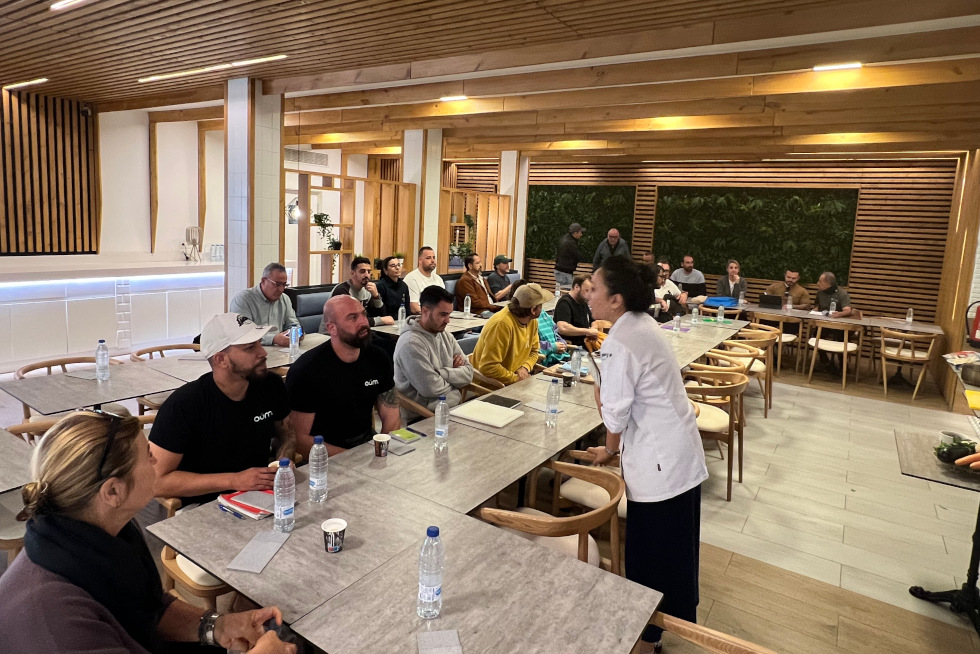
In a recent announcement, the Asociación Fuertegourmet reaffirmed its dedication to culinary excellence and cutting-edge training by launching an intensive course titled Japanese Culinary Techniques: Fermentation and Tsukemono. This exciting initiative took place over two days at the luxurious Hotel Playa Park Zensation, where participants had the unique opportunity to deepen their understanding of Japanese cuisine.
Meet the Culinary Maestro: Naumi Uemura
At the forefront of this course was Naumi Uemura, a prominent figure in the realm of Japanese gastronomy within Spain. Uemura has made history not just in culinary circles but for the entire Spanish culinary community by becoming the only Spaniard to clinch the prestigious Washoku World Challenge (2023).
With her comprehensive knowledge and experience, Uemura brings a wealth of expertise to the table. She holds the title of Kikisakeshi, a certification that marks her as an expert sommelier in sake. Additionally, she proudly carries a Bronze Badge in Washoku cuisine bestowed by Japan’s Ministry of Agriculture. Uemura’s accolades include third place at the Asian Culinary Awards in 2021, further solidifying her status as a leading authority in Japanese culinary arts. As the owner and chef of her own restaurant, Uemura in Madrid, she plays a pivotal role in promoting and educating others about this unique culinary tradition.
Delving into Tsukemono and Fermentation
The course spanned 10 intensive hours, with each day dedicated to a mix of theory and hands-on practice. Participants explored the fascinating world of Tsukemono, the traditional Japanese pickling technique. They delved into its origins, historical significance, and nutritional benefits, all while learning specialized techniques such as Nukazuke, Okarazuke, and Shiozuke.
One of the highlights of the course was not merely learning the traditional methods but also discovering how to integrate these ancient practices into modern cooking. For example, participants were introduced to innovative twists on classic recipes, including the creative concept of Japanese-style Gildas.
Furthermore, an advanced module on fermentation was included, allowing attendees to experiment with applying fermentation techniques to meats and fish. This not only broadened their culinary arsenal but also enabled them to appreciate the intricate flavors that fermentation can introduce into various dishes.
The Role of Asociación Fuertegourmet
The Asociación Fuertegourmet’s commitment was evident in every aspect of the course. Designed to enhance the skills of its active members, the course was offered free of charge. This initiative exemplifies the association’s dynamic approach to culinary education, which goes beyond mere knowledge transfer.
In the spirit of ensuring a seamless experience, Fuertegourmet managed all logistics involved, from transportation to the necessary resources, allowing participants to fully immerse themselves in the learning experience without the distraction of the practicalities.
Through such initiatives, the Asociación Fuertegourmet sets a precedent for fostering community and collaboration in the culinary world, ensuring that its members are well-equipped with the latest knowledge and skills to excel in their craft.
Ultimately, the Japanese Culinary Techniques: Fermentation and Tsukemono course stands as a testament to the vibrant culinary community that Fuertegourmet fosters, encouraging creativity, innovation, and a deeper appreciation of gastronomy’s rich cultural heritage.