Restoring Paradise: The Dunes of Corralejo
In the heart of Fuerteventura, a significant ecological initiative is underway aimed at restoring the stunning dunes of Corralejo Natural Park. This project, spearheaded by the Canarian Government’s Department of Ecological Transition and Energy, promises to revitalize a crucial natural habitat that has suffered due to human activities.
A Vision for Restoration
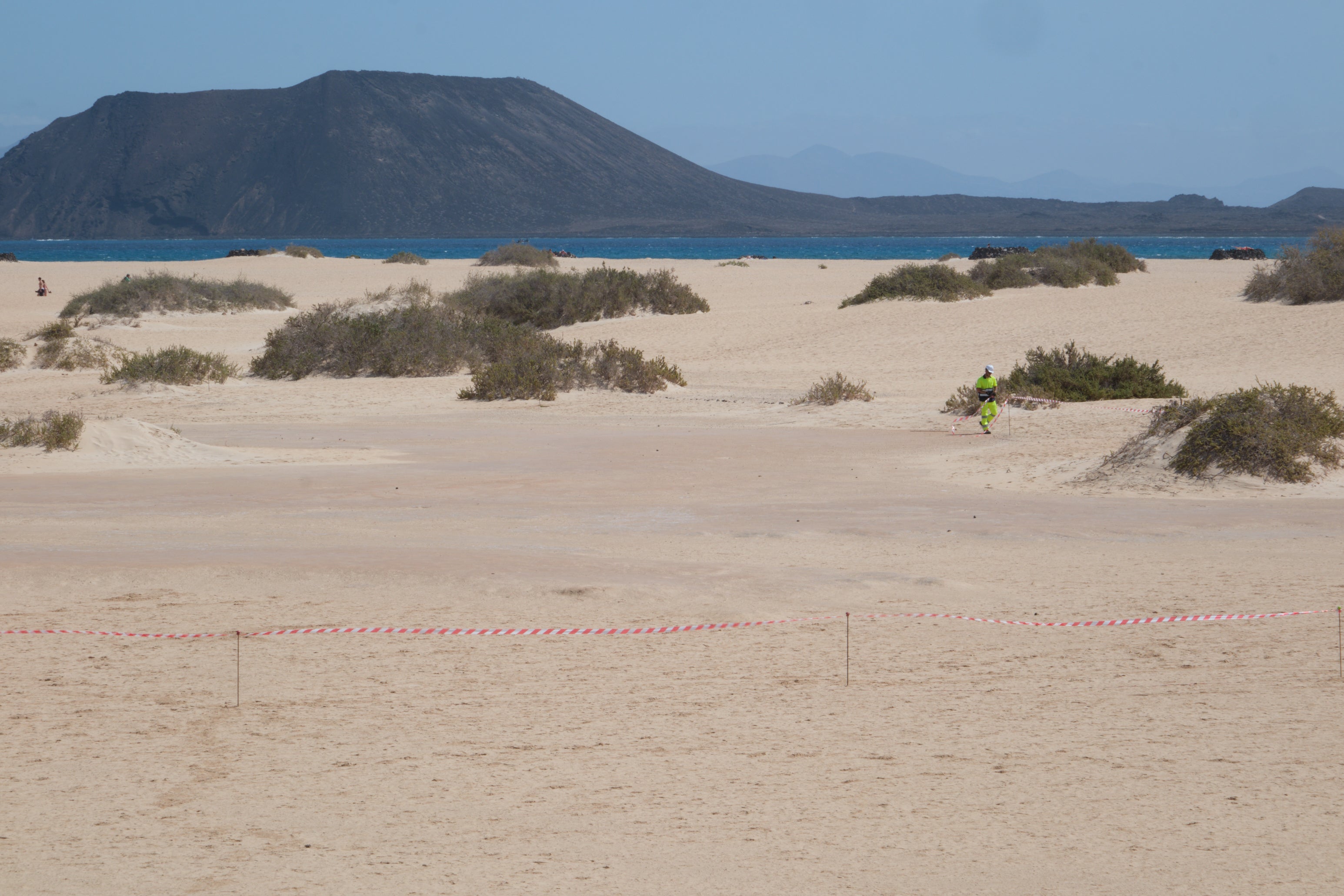
At the center of this restoration effort is the beach of Pozo, where 45,000 cubic meters of sand will be deposited. This sand is uniquely sourced from the nearby road accumulations, which often obstruct vehicle traffic. This dual-purpose initiative not only addresses transportation concerns but also rehabilitates the beach area, offering a win-win for both nature and the local community.
The project, costing around 410,000 euros, is funded through the Next Generation European Funds. This financial backing underscores the importance of ecological initiatives in Europe today, reflecting a growing trend towards sustainable development and environmental preservation.
The Role of Balancones
Integral to the project is the planting of balancones—a vital coastal shrub that plays a critical role in dune formation. These plants, reaching about 1.5 meters in height, are essential for stabilizing sand and contributing to the creation of functional dune ecosystems. Their role cannot be overstated; without sturdy plants like balancones, sand dunes are prone to erosion and degradation.
To ensure the success of this restoration, Tragsa, a public engineering and environment company, has already begun implementing various measures to secure the future health of the dunes. The project encompasses not just the addition of sand but also includes a comprehensive plan for planting and nurturing these important coastal plants.
Collaboration for Success
The ambitious restoration efforts are the result of collaborative efforts between the Fuerteventura Cabildo, the Environmental Department, and the La Oliva Town Council. This teamwork is crucial in tackling the degradation caused by anthropogenic factors and ensuring the dunes’ long-term conservation.
The chosen area for this project spans approximately 20 hectares along the Pozo beach. This location was strategically selected after extensive scientific studies confirmed that hard soil conditions would necessitate such restorative actions. Canarian Minister Mariano Hernández Zapata emphasized that if this initial project proves successful, it could lead to further restoration efforts in similarly affected areas.
Innovative Approaches to Preservation
Beyond merely relocating sand, the project incorporates innovative methods to protect and integrate the newly deposited sand into the existing dune ecosystem. Measures include the establishment of natural barriers and artificial fencing designed to minimize human impact and enhance the environment’s resilience. Environmental follow-up studies will also be conducted to monitor the restoration’s effectiveness, ensuring that attention to detail continues long after the initial work has been completed.
A Commitment to Biodiversity
Lola García, the president of the Cabildo, remarked on the essential need to recover biodiversity in sensitive areas such as the Dunas de Corralejo. She emphasized the importance of collaborating with the Canarian government to preserve these natural areas for future generations. With a clear vision, the local authorities are committed to investing in projects aimed at rejuvenating the island’s delicate ecosystems.
The dunes of Corralejo symbolize not just the beauty of nature but also the critical balance between human activity and environmental conservation. As these initiatives unfold, they set a powerful precedent for ecological restoration that harmonizes development with nature—a true testament to the potential of collective action in fostering a sustainable future for our planet.