Riding the Winds of Opportunity: Fuerteventura’s Emerging Business Landscape
Innovative startups gain momentum, transforming Fuerteventura’s economic terrain.
Fuerteventura is basking in the afterglow of a startup renaissance, with a growing number of entrepreneurs bringing fresh ideas and innovative solutions to the island’s unique challenges. From renewable energy ventures that harness the fierce winds to tech companies bridging geographical divides, Fuerteventura is quickly becoming a launchpad for business initiatives that reflect both the local culture and global trends. The island’s strategic position and supportive ecosystem are proving pivotal for businesses ready to take off.
Recent reports indicate that both local and international investors are taking a keen interest in Fuerteventura, attracted by its idyllic setting and robust infrastructure. The Canary Islands’ government has implemented initiatives to simplify the startup process, offering reduced taxes and grants for fledgling businesses, making it an appealing destination for those looking to carve a niche in specialized markets. Entrepreneurs are leveraging not only Fuerteventura’s natural resources but also its diverse community to foster collaborations that drive innovation.
Moreover, the surge in digital nomadism has further invigorated the local economy. As remote work becomes the norm, Fuerteventura’s pristine beaches and vibrant lifestyle are enticing a new wave of talent seeking both work-life balance and entrepreneurial opportunities. This influx is not only diversifying the workforce but also stimulating demand for local services, from housing to hospitality, creating a synergistic effect that benefits all sectors.
The synergy between innovation, investment, and community is redefining Fuerteventura’s business landscape, making it an exciting place for entrepreneurs ready to make their mark.
Source: Gobierno de Canarias.
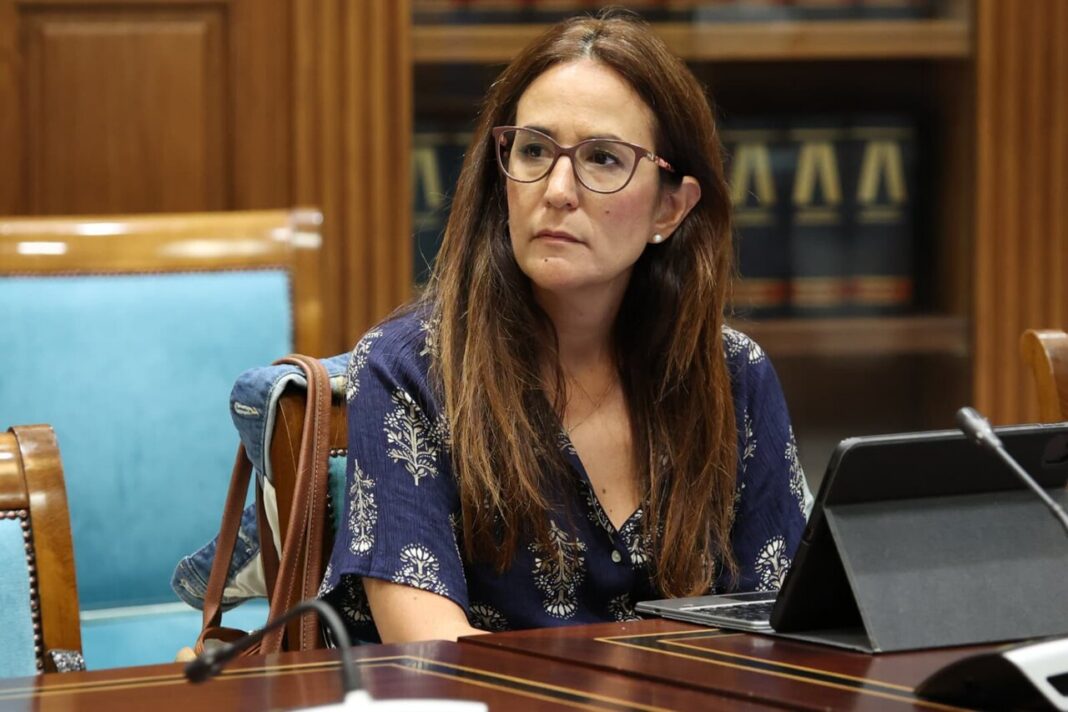
The parliamentarian of Nueva Canarias-Bloque Canarista (NC-BC) Natalia Santana today demanded from the Minister of Health of the Government of the Canary Islands, Esther Monzón, a greater commitment to reinforce the resources allocated to the care of people with disabilities in Fuerteventura and move towards real universal accessibility. The spokesperson for the progressive nationalist group requested the creation of a single care office for families before the end of the legislature next May, after it was proposed two years ago and recognized as a good proposal by Monzón herself. In the appearance requested from the government head of the commission, Natalia Santana recognized the progress made, especially the reduction in waiting times for disability assessment thanks to the streamlining of procedures and the improvement in the functioning of the assessment team in Fuerteventura, as well as the work being carried out by the Child and Youth Mental Health Unit of the island. However, he recalled that NC-BC’s support for the decree that allowed these procedures to be streamlined responded to the fact that the “interest of people with disabilities should be above any other consideration”, despite the criticism also expressed for the inclusion of the proposal for a salary increase for senior Health officials. He warned, however, that these advances “cannot hide the important structural deficiencies that continue to exist.” He regretted that, two years later, practically the same demands made to the Government of the two Canarian right-wing parties (CC and PP) continue to apply. Among them, he denounced the insufficiency of therapeutic resources for minors with disabilities. As an example, he pointed out that a single weekly speech therapy session for a child with non-linguistic autism spectrum disorder (ASD) is clearly insufficient and compromises his development. “The disability certificate arrives, but afterwards there are no necessary resources to guarantee the rights it recognizes,” he reproached. Santana also recalled that many families on the island cannot afford the cost of private therapies due to the high rates of poverty on the island, which is why he called for a reinforcement of staff and specialized public services. He wanted to make it clear that his criticisms “are not directed at health professionals”, to whom he conveyed the support of Nueva Canarias, especially the Nursing staff, who, according to Santana, work under high healthcare pressure. In terms of accessibility, he regretted that the Canary Islands are still far from guaranteeing effective universal accessibility. Although he recognized the improvements in infrastructure such as ramps or elevators, he denounced the absence of a homogeneous communication system accessible in health centers through pictograms and easy language. He proposed that the Executive chaired by Fernando Clavijo establish agreements with specialized entities, such as Plena Inclusion Canarias, to adapt all health and administrative information to easy reading, thus facilitating the understanding of diagnoses, medical reports and procedures such as requesting appointments through 012 by people with cognitive disabilities. Another of NC-BC’s main demands was the creation of a single care office for families who receive a disability diagnosis before the end of the current legislature. He recalled that this is a proposal also raised two years ago and recently supported by the Spanish Committee of Representatives of People with Disabilities (Cermi Canarias), but that it has still not materialized. “Families receive the diagnosis and begin a true pilgrimage without knowing which doors to knock on. This office already operates in other territories and would allow them to be accompanied from the first moment, coordinating all available resources,” he defended. He conveyed several concerns received from families and health professionals in Fuerteventura. Among them, the lack of specialized care for diabetic minors with disabilities due to the prolonged absence of pediatric endocrine services on the island, as well as the difficulties experienced by nursing staff due to the overload of care derived from coverage problems during the vacation period. As he explained, these professionals report working days of up to twelve hours and continuous changes between different hospital services, a situation that, he warned, also has an impact on the quality of care that people with disabilities receive. Disability, in the opinion of Natalia Santana, “continues to have a long way to go.” Beyond the small advances and announcements, “what we need are realities that improve the quality of life of people and their families,” stressed the NC-BC parliamentarian.
Originally reported by www.lavozdefuerteventura.com, rewritten by the Fuerteventura Times AI Editorial Desk.