The Curious Case of Cars Outnumbering People in Canary Islands
The Canary Islands, a breathtaking archipelago known for its volcanic landscapes and stunning coastlines, hold a curious paradox within their rural communities. In Betancuria, Artenara, and Tejeda, three municipalities on the islands, the number of registered vehicles exceeds that of residents. This phenomenon sheds light on the broader issue of depopulation in rural Spain, albeit with a unique insular twist.
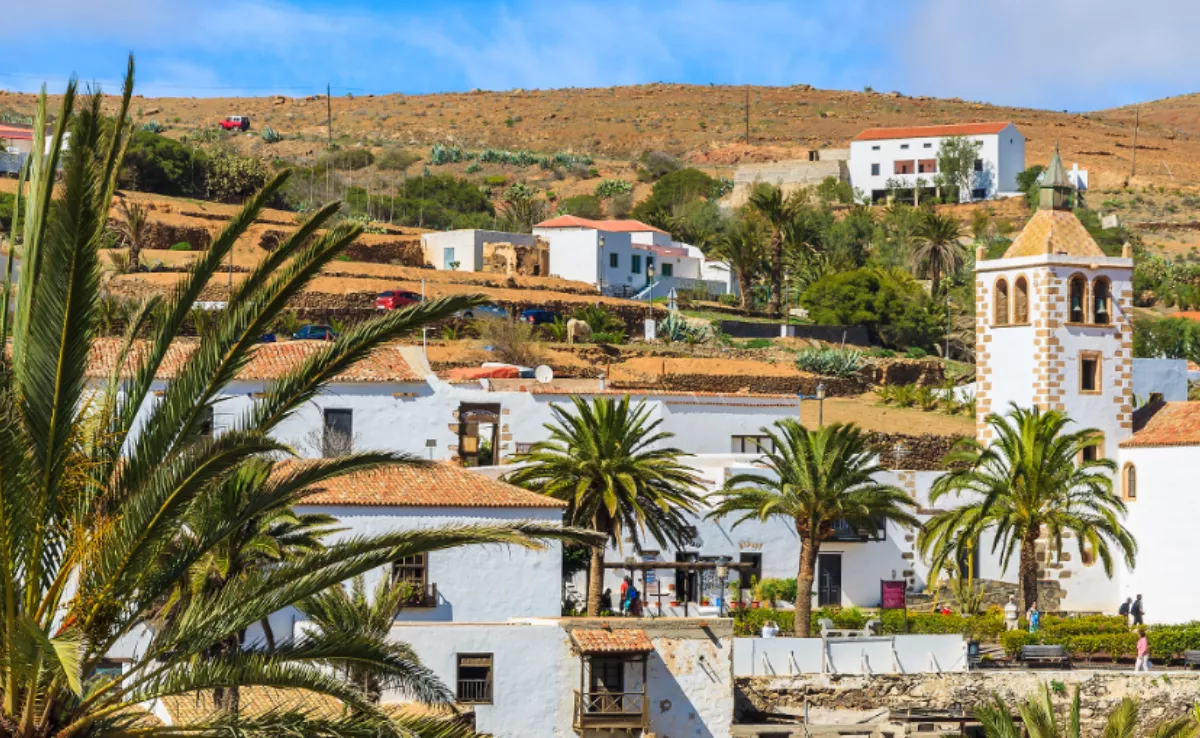
The Landscape of Betancuria
Starting with Betancuria, the least populated municipality on the island of Fuerteventura, one finds a stark contrast between its mere 812 residents and the 1,200 vehicles registered. The challenge lies in the geographical isolation; traditional public transport options are either non-existent or inadequate. As a result, many families own multiple cars, some of which may be old or seldom used, but remain on the books due to community reliance on personal vehicles for mobility.
The Dependence on Personal Vehicles
The motility crisis in Betancuria isn’t just about numbers. It also encapsulates the essence of rural life where public transport fails to provide adequate services. Residents often need to travel to distant towns for work or essential services. Thus, the personal vehicle becomes indispensable, morphing into a basic tool for survival. This car-centric lifestyle mirrors a growing trend across sparsely populated areas in Spain, where isolation drives car ownership despite dwindling populations.
Artenara’s Similar Struggle
Moving to Artenara, situated in the mountainous terrain of Gran Canaria, the statistics reveal a similar narrative. With just over 1,000 citizens, the municipality boasts around 1,500 registered vehicles. The rocky landscape, paired with insufficient bus services (locally known as guaguas), compels residents to rely heavily on their cars. The reality is, even as local authorities advocate for sustainable transportation, the practicalities of life continue to push people toward their vehicles.
Aging Population’s Impact
An interesting factor further complicating these statistics is the aging population. Many older residents retain vehicles that they may not drive daily. These cars, however, remain registered and contribute to the stable or even growing vehicle numbers in these towns. As the population decreases, this dynamic creates a paradoxical situation where vehicles, by sheer necessity, escalate while the human populace retracts.
Tejeda’s Anomaly
Tejeda presents a strikingly different scenario altogether. With 1,813 inhabitants, the municipality has an astonishing 32,000 registered vehicles. This translates to an eye-watering average of 17,381 vehicles per 1,000 residents, dwarfing the island’s average of 802 per 1,000. What accounts for this anomaly? A strategic agreement made seven years ago between the town council and car rental companies paved the way for a massive influx of rental vehicles being registered locally.
Financial Implications
Mayor Francisco Perera highlighted the fiscal benefits, noting that their administration processed an impressive 200 vehicle registrations in a single day. This strategy has brought an influx of 350,000 euros in vehicle tax revenue in 2023 alone. While it provides a financial lifeline for the municipality, it also distorts the reality of mobility and transport in the area, presenting a skewed picture of Tejeda’s actual automotive landscape.
Unpacking the Paradox
Across Betancuria, Artenara, and Tejeda, a shared experience illuminates the intricate dynamics surrounding car ownership in rural areas. The enigma merges various threads: the historical reliance on personal vehicles in regions where public transportation is limited, the creative governance in response to economic pressures, and the cultural implications of living in semi-empty communities.
A Closer Look at Rural Isolation
Behaviors surrounding transportation in these municipalities are emblematic of a wider trend, often referred to as la España vaciada—the empty Spain. Here, the lack of services compels residents to adapt creatively, yet the burden of vehicle maintenance and ownership persists. As these communities grapple with dwindling populations but seemingly insatiable vehicle registrations, one can only ponder further the implications for rural life and mobility within this picturesque, yet paradoxical, landscape.
In this contemporary story of rural existence, Betancuria, Artenara, and Tejeda become more than mere geographic spots on a map—they represent a compelling intersection of isolation, necessity, and inventive governance that continues to evolve in the shadow of depopulation.