Water Taxis of Lobos: Navigating the Legal Quagmire
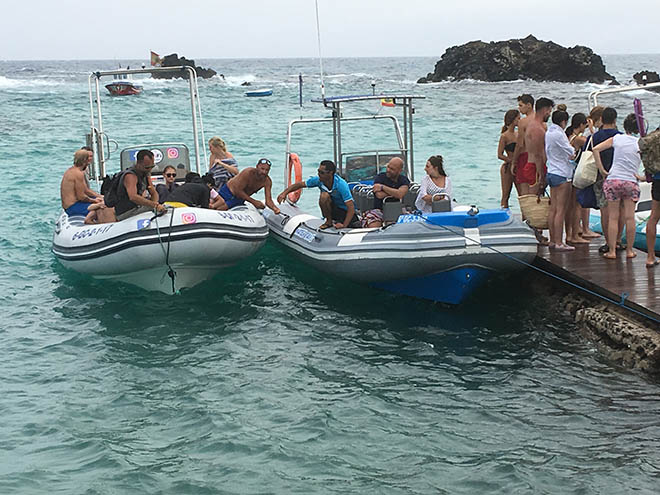
In the shimmering waters between Corralejo, located in the northeast of Fuerteventura, and the pristine island of Lobos, a booming transport service has taken shape. Water taxis ferry tourists to Lobos, attracting sunseekers eager to explore its natural beauty. However, these water taxis operate without the necessary permits or official authorization from the local authorities, raising significant concerns about environmental legality and public safety.
A Case of Illegality
According to Óliver González, the Environment Councillor of La Oliva, the municipality governing this area, the water taxi services are officially unauthorized. These operations disregard regulations stipulated in the Coastal Law, which restricts commercial activities in protected areas like Lobos. The alarming situation came to light when local police, backed by the Maritime Service of the Guardia Civil, intervened last Friday at the secluded beach of Puertito de Lobos, a small six-kilometer island designated as a Natural Park.
During their visit, the authorities documented the daily influx of water taxis transporting tourists across the narrow Straits of Lobos. They warned the boat operators that they could no longer facilitate shuttling tourists in accordance with the established laws. Despite this warning, the police’s efforts to enforce compliance appeared to falter over the weekend. Observations revealed that many water taxis ignored the directive and continued their operations unabated.
Compliance and Defiance
Interestingly, only one water taxi company adhered to the municipal warning that weekend. This company, which operates zodiacs under the management of the Celia Cruz line, adjusted its landing procedures by disembarking tourists at the designated dock instead of the beach. Most other operators, however, remained defiant. According to reports from the water taxi companies, they will persist in their activities until they receive a formal written order from La Oliva’s town hall.
Councilor González clarified that the municipality will not issue such a notification since the police have already communicated the regulations to the operators. “If there is continued non-compliance despite these warnings, we will escalate reports to the General Directorate of Coasts, which has the authority to impose penalties,” he said.
Safety Concerns on the Horizon
The irregularity of these water taxi operations not only violates local laws but also poses significant risks to both tourists and the natural environment. The Demarcation of Coasts has declined requests from water taxi companies for authorized entry points at Puertito, citing the legal restrictions on operations in protected areas. This position is reflected in an official report expressing concern over the safety of public lives in the bathing area of Puerto de Lobos.
In addition, the report highlights that the La Oliva town hall is responsible for ensuring adherence to state regulations on public safety. Unfortunately, the ongoing situation has raised alarms about how the burgeoning water taxi industry could jeopardize safety and the fragile ecosystem of the Natural Park.
Overcrowding and Environmental Impact
The summer season has exacerbated the problem, regularly bringing large crowds to the tiny island. Observations by local officials revealed that on weekends, the number of visitors frequently exceeded 1,300, far surpassing the cap on the island’s recommended capacity of 200 simultaneous occupants outlined in its Management Plan. As local authorities struggle to enforce regulations, the ecosystem of Lobos faces mounting pressure from excessive tourist traffic.
Moreover, the chaotic environment at Puertito presents immediate dangers to swimmers and boaters alike. As water taxis maneuver hastily to embark and disembark passengers, they create risky situations where bathers find themselves swimming in close proximity to moving vessels. The potential for accidents is high; just recently, there were reports of a near-miss incident involving a water taxi and a windsurfer, and passengers have been injured during rough crossings.
Conflicts of Interest
The plot thickens as it emerges that one of the water taxi operators, Cabo Juan López Vila of the Guardia Civil, is a co-owner of one of these water taxi companies. This connection raises questions about the enforcement of local regulations and whether they are being compromised by personal interests. The Guardia Civil’s press department insists that López Vila’s involvement remains compliant with regulations since it is classified as a personal investment.
Local residents have voiced their concerns about the credibility of enforcement efforts, especially given that Cabo Vila’s spouse is the local Councillor for Commerce and Local Development. With the intertwining of personal and professional interests, skepticism grows around how effectively these safety and legal issues are being monitored and managed.
Navigating the Future
As the summer season rolls on and the popularity of water taxis continues undeterred, local authorities face mounting pressure to take decisive action. The delicate balance between tourism and environmental preservation in Lobos hangs in the balance, highlighting a critical junction for sustainable practices in one of Spain’s most cherish natural gems. The waters between Corralejo and Lobos may be beautiful and inviting, but the underlying issues of compliance, safety, and ecological integrity pose serious challenges for everyone involved.