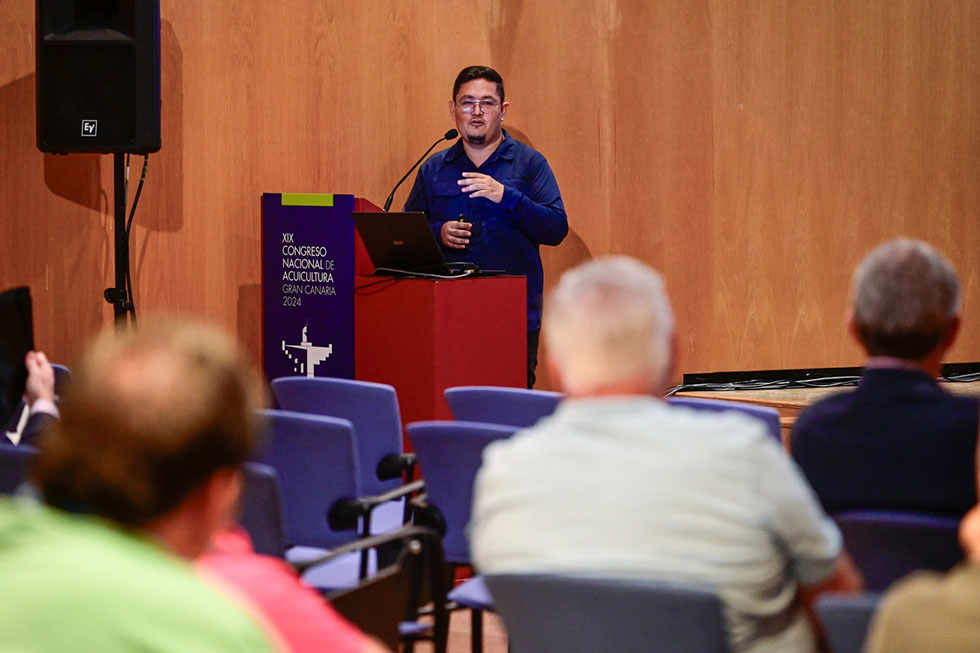
The XIX National Aquaculture Congress: A Leap into Sustainable Shrimp Farming
The XIX National Aquaculture Congress (CNA) is taking place from June 17 to 19 at the Alfredo Kraus Auditorium in Las Palmas de Gran Canaria. This event is organized by the Aquaculture Research Group (GIA) of the ECOAQUA Institute at the University of Las Palmas de Gran Canaria (ULPGC), in collaboration with the Spanish Aquaculture Society. One of the key highlights of the congress is the presentation of an ambitious project focused on the Sustainable Production of Shrimp in Recirculating Aquaculture Systems (RAS), spearheaded by Ecobiofarms Fuerteventura S.L.
Advancing Aquaculture in the Canary Islands
The initiative is backed by a substantial initial investment of approximately €2.6 million. It has the potential to revolutionize both Canarian and Spanish aquaculture by significantly boosting the cultivation of white shrimp. The aim is to quintuple the current annual output, expected to rise from just 8 tons produced by Spain’s sole shrimp farm in Medina del Campo (Valladolid) to about 40 tons. The projected revenue from this first-year harvest is estimated to be between €400,000 and €600,000.
With production set to commence in the second quarter of 2025, initial yields are expected within only four months of operations. This rapid expansion aligns with the global trend, as the white shrimp species has become the second most cultivated species worldwide.
Fuerteventura’s Path to Aquaculture
Historically, aquaculture in the Canary Islands has centered around species like sea bream and sea bass, with ongoing research into the cultivation of seriola (also known as medregal). With the establishment of this new farm, Fuerteventura marks its entry into the aquaculture sector by introducing a different species.
Located in the municipality of Antigua on Fuerteventura, this aquaculture facility will occupy 12,750 m² and employ 15 professionals, including biologists and aquaculture specialists. The focus will be on RAS technology, which allows for controlled and efficient shrimp farming under cover during both maturation and fattening processes.
Collaborative Research and Genetic Improvement
The project gains additional credibility through its collaboration with the GIA, guided by Dr. Juan Manuel Afonso López, who is also the president of the organizing committee for the CNA. The GIA has a proven track record, having supported Ecuador’s shrimp industry since 2015. Their ongoing involvement includes a €2 million Genetic Improvement Program employing advanced BLUP methodologies, which enhances the production of white shrimp. The integration of cutting-edge technology has not only expedited the fattening process—from three months to two—but has also focused on ensuring traceability and quality for consumers.
Expert Insights
Anthony D. Forde, co-promoter of the shrimp breeding project along with Marta D. Cisneros, emphasizes their two decades of experience in the fishing industry. Their work spans various global contexts, including extensive involvement with RAS systems in Asia, the Middle East, and Central America. This expertise has driven the development of this innovative aquaculture venture.
“We aim to produce between 280 and 300 metric tons within five years, generating a market value between €3.5 and €4 million,” notes Forde. Sales will target both local consumers in the Canary Islands and mainland Spain, highlighting the premium quality of their shrimp products.
Future Prospects and Consumer Preferences
Forde mentions the potential for increasing demand, estimating that the medium and long-term growth for fresh shrimp in the Canaries could reach 400 metric tons, with an even larger estimation of around 3,000 metric tons for Spain.
This farm will focus on cultivating the species Litopenaeus vannamei in a complete production cycle, with plans to later introduce Penaeus monodon, popularly known as tiger shrimp. Differences between the two facilities will be attributed to production methodology and the availability of direct marine water, impacting overall product quality.
Emphasizing Nutritional Value and Quality
Surveys indicate a favorable consumer acceptance rate of around 70% to 80% for white shrimp, both in the Canaries and across Spain. Not only do these shrimp provide high-quality protein and low caloric content, but they are also rich in essential nutrients like iodine, phosphorus, selenium, and calcium. Moreover, shrimp are widely celebrated for their culinary versatility worldwide.
State-of-the-Art Technological Integration
According to biologist Darío Basopo Escalante, Director of Production at Ecobiofarms Fuerteventura S.L., the RAS technology utilized in this farm will position it at the pinnacle of aquaculture innovation. Featuring advanced filtration systems, the facility will efficiently treat water to ensure an optimal environment for shrimp growth while minimizing resource consumption.
While RAS systems require higher initial investments compared to traditional farming methods, the long-term benefits regarding production reliability, product quality, and biosecurity are substantial. This approach allows for precise harvest scheduling, thereby optimizing the entire production process.
Embracing Sustainability
Escalante further underscores the sustainability aspect of the project. Countries like Switzerland, Germany, and Austria have successfully adopted similar practices, allowing for meticulous monitoring of environmental parameters and compliance with modern quality standards. Notably, this project plans for a zero waste discharge system, where sludge will be processed for agricultural composting purposes.
In conclusion, the CNA provides a significant platform for the promotion and development of sustainable aquaculture practices in Spain and beyond. With the partnership of innovative companies and esteemed research institutions, the future of aquaculture in the region appears promising and poised for success.