The Impact of Global Crises on Agriculture: The Cycles of Grain in the Canary Islands
A Rising Tide of Challenges
The year 2022 has seen significant upheaval on the global stage—a direct result of the ongoing war in Ukraine and various international problems that have sent the prices of raw materials and basic foodstuffs soaring. Among the most affected commodities are cereals, which have indirectly impacted another vital nutritional sector: livestock farming, encompassing dairy and meat production. The consequences of these shortages and price hikes have cast a long shadow across many areas of the globe, including the Canary Islands. Once a bastion of cereal production in Lanzarote and Fuerteventura, the islands now face an uncertain agricultural future.
Historical Context: The Granary of the Canaries
For centuries, Lanzarote and Fuerteventura were regarded as the “granary of the Canaries,” supplying essential grains to the more populous islands of Gran Canaria, Tenerife, and La Palma. In a time when inter-island trade was paramount, these islands specialized in cultivating wheat, barley, and rye. The success of cereal cultivation was not just a matter of local demand; the regional market created a robust export channel that fed into primary ports such as Santa Cruz and Garachico.
However, the larger islands diverted most of their fertile land towards more lucrative crops like sugar and wine. This focus came at a cost—a lack of self-sufficiency in basic foodstuffs. While Lanzarote and Fuerteventura provided grain, the prevailing economic strategies left many residents dependent on imports for their daily needs.
Economic Disparities and Land Ownership
The relationship between land ownership and the agricultural output of Lanzarote and Fuerteventura paints a troubling picture. Wealthy landowners, often residing far from the islands, prioritized shipping grain to wealthier markets instead of supplying local populations. This left residents with inadequate access to food during crises, as those in power prioritized profits over community welfare.
As noted by historian Pedro Quintana Andrés, the interests of absentee landowners often resulted in “groups or institutions whose aim was extracting maximum profit at the expense of locals’ future survival.” The small landowners who remained were few, and the burdens placed on them by higher taxation further exacerbated the situation. Repeated droughts and food shortages ignited popular uprisings, where desperate citizens demanded grain and tax relief.
Cultivation Techniques Amidst Adversity
Despite these challenges, grains adapted remarkably well to the Canarian environment. Even before the European conquest, the original settlers—known locally as “majos” or “maxies”—successfully cultivated grains using techniques suited to the islands’ arid climate. Using rainfall wisely, they nurtured barley, wheat, and corn, providing essential nutrients to a population largely comprised of subsistence farmers.
Yet, obstacles persisted. Droughts of multiple years led to devastating famines and waves of emigration. Ingenious systems of irrigation, such as gavias and nateros, were developed to capture every drop of rainwater. The struggle to cultivate grains transformed traditional agricultural practice into a narrative of survival against a hostile environment.
The Cultural Significance of Cereal Crops
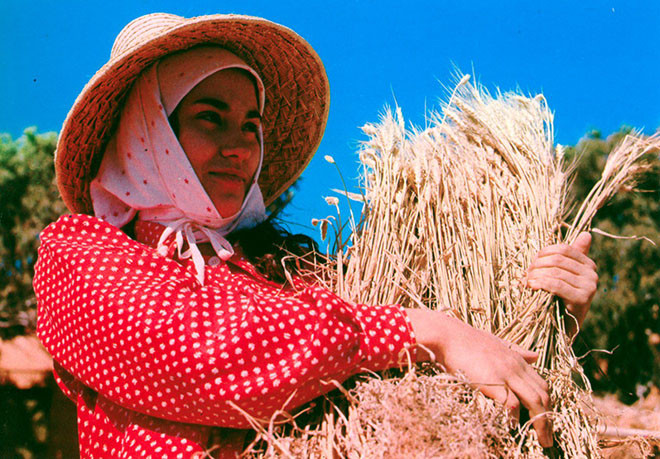
Beyond their nutritional value, cereals were steeped in the cultural fabric of these islands. Harvesting was a communal event, celebrating both economic and social exchanges. The tradition of gathering grain fostered the sharing of knowledge, genealogy, and even courtship among the community.
The experience around grain cultivation also influenced local architecture. Structures such as granaries, хилpa (shelters), and mills became symbols of agricultural commitment and ingenuity. The wind-driven mills juxtaposed against the backdrop of the islands exemplified a sustainable energy practice that many modern communities would envy.
Resilience Through Innovation
As agricultural practices evolved, so did the technologies that supported them. Windmills turned grain into flour, providing the backbone for essential products like bread and gofio, a kind of flatbread made from roasted grains. The enduring legacy of these innovations remains evident today in preserved sites such as the Ecomuseum of Tefía in Fuerteventura, where historical mills are showcased for their cultural significance.
While many of the islands’ old mills are now in disrepair, recent restoration efforts have focused on preserving these remnants of a bygone era, reestablishing their place in cultural and historical narratives.
Environmental Challenges and Future Prospects
The challenges of grain cultivation are not merely historical. The threat of pests, erratic weather patterns, and volcanic eruptions have also marred the agricultural landscape. The eruptions between 1730 and 1736, for example, devastated some of the best farming lands but eventually led to new agricultural cycles with the introduction of vineyards.
Yet, as contemporary issues continue to place stress on local resources, the islands must navigate an uncertain future, balancing tradition with sustainability. Understanding how the past shapes current agricultural practices—not just in grain production but across the spectrum of local food systems—will be crucial for addressing the existing vulnerabilities.
By examining the intertwined narratives of agriculture, economics, and culture within the Canary Islands, we can gain a clearer picture of how historical legacies continue to affect communities today. The story serves as a reminder of the need for resilient food systems in the face of both environmental challenges and shifting global markets.